
Cold Room For Meat
Cold Rooms for Meat, Fish & Poultry: Safe Storage Guide
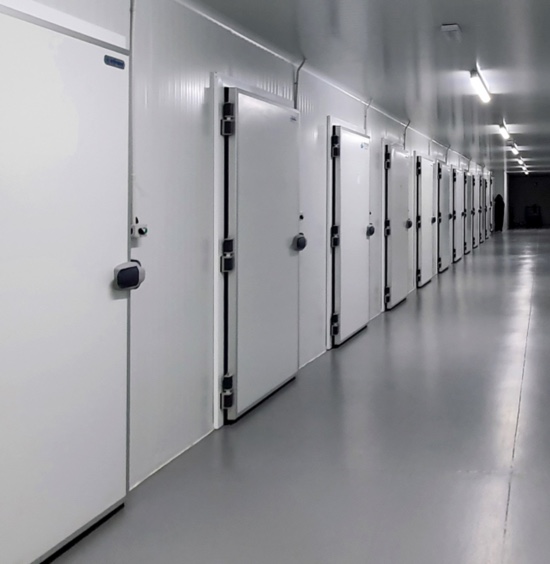
Cold rooms and walk-in freezers are essential for keeping meat, poultry, and seafood fresh, safe, and high quality. Different species (such as beef, mutton/lamb, and other meats) can generally be stored in the same freezer room because they share compatible frozen storage temperatures and have a low risk of tainting when products are properly packaged and handled. Frozen products typically present fewer odor-transfer concerns than chilled products.
Chilled vs. Frozen Storage Rooms
- Chilled (refrigerated) rooms are often more divided, with more separation between product types. They may also use racking and layouts designed for frequent access and shorter holding times.
- Frozen storage rooms are designed for long-term preservation and stable low temperatures, with packaging and airflow management playing a key role in maintaining quality.
Why Freezing Preserves Meat
Meat is highly perishable due to enzyme activity, oxidation, and microbial growth. Freezing helps preserve meat by:
- Reducing enzyme-driven breakdown
- Slowing oxidation that can affect flavor and color
- Inhibiting microbial growth, keeping products stable for longer periods
When stored correctly, frozen meat can maintain its original quality for weeks or even months, depending on the product type, packaging, and temperature stability.
Recommended Frozen Storage Temperature
Many food safety standards require frozen foods, meat products, and aquatic products to be transported and stored at -18°C or lower. Maintaining a consistent temperature is critical—frequent door openings, poor airflow, or overloading can cause temperature fluctuations that reduce shelf life and quality.
Products Commonly Stored in Walk-In Freezers
- Frozen beef, lamb/mutton, pork, and other red meats
- Frozen poultry: chicken, duck, goose, and related products
- Frozen fish and seafood
- Processed and packaged frozen meat products
Best Practices for Safe Meat Cold Storage
- Keep products sealed and well packaged to prevent dehydration, freezer burn, and odor transfer.
- Separate raw from ready-to-eat foods and store in clearly labeled zones where applicable.
- Use FIFO (First In, First Out) to rotate stock and reduce waste.
- Avoid overstacking so cold air can circulate evenly around products.
- Monitor and log temperatures to confirm consistent performance and compliance.
- Maintain cleanliness to reduce contamination risks and preserve product integrity.
Whether you need chilled storage or a frozen cold room, correct meat storage procedures help ensure your products remain fresh, delicious, and safe. For facilities requiring reliable long-term frozen storage, selecting the right walk-in freezer design and capacity is a key part of maintaining quality and operational efficiency.
Mana cold room providing best solution for your freezer cold rooms, Fell free to contact us +971 585243444