Cold Room Manufacturing and Installation in the UAE
Cold room manufacturing involves the design, construction and installation of temperature-controlled environments used to store perishable goods. These rooms support food processing, pharmaceuticals, biotechnology, logistics and agriculture, helping preserve meat, vegetables, fruits, dairy products, vaccines and other temperature-sensitive products.
1. Cold Room Design and Planning
- Room layout: Cold rooms range from small storage units to large warehouses. Proper planning optimizes storage capacity and airflow.
- Temperature requirements: Chilled rooms are generally 0°C to 5°C; freezer rooms are typically below -18°C, depending on the product and application.
- Insulation: Polyurethane, polystyrene or mineral-wool panels help prevent heat transfer and reduce energy loss.
2. Cold Room Materials and Components
- Insulated panels: Wall and ceiling panels are selected according to the temperature requirement.
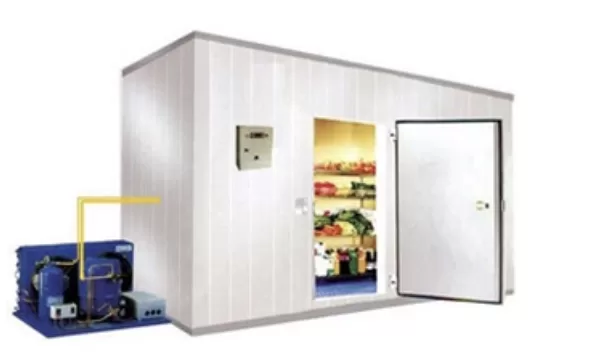
- Refrigeration system: Evaporators, condensers, compressors and expansion valves maintain the required temperature. Refrigerant selection depends on environmental, efficiency and project considerations.
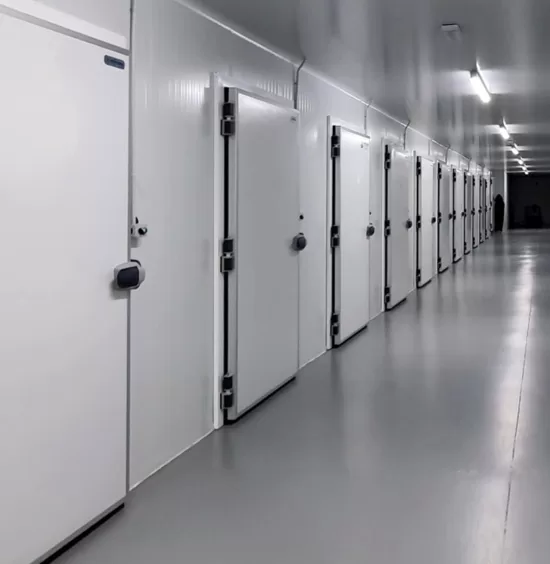
- Doors and seals: Hinged or automatic sliding doors with proper seals help prevent heat ingress. Air curtains may be used where appropriate.
- Lighting and electrical systems: Low-temperature LED lighting provides visibility while reducing energy consumption.
- Floors: Slip-resistant, insulated floors can be designed for foot traffic, stored-product loads, cleaning and drainage.
3. Cold Room Construction Process
- Site preparation: Select a suitable location with adequate space, access and utilities, and reinforce or level the foundation if required.
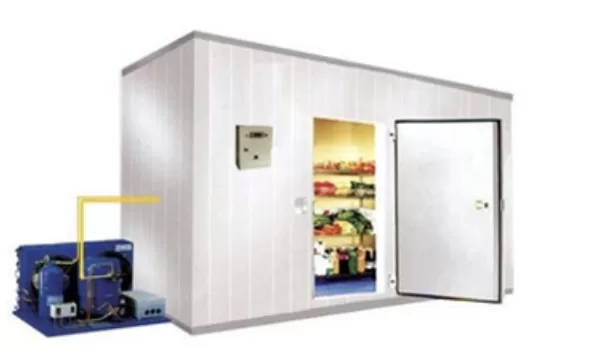
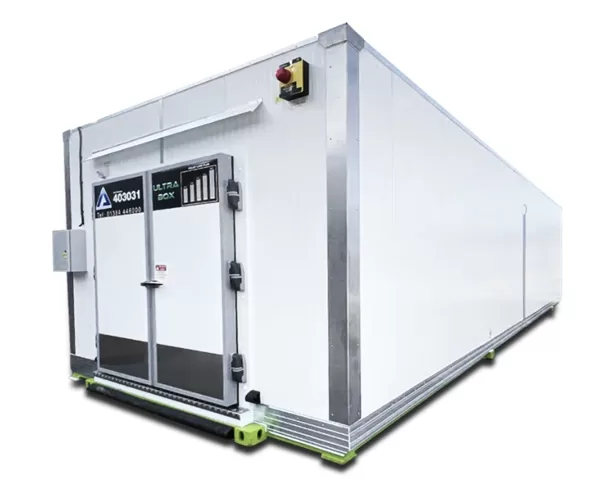
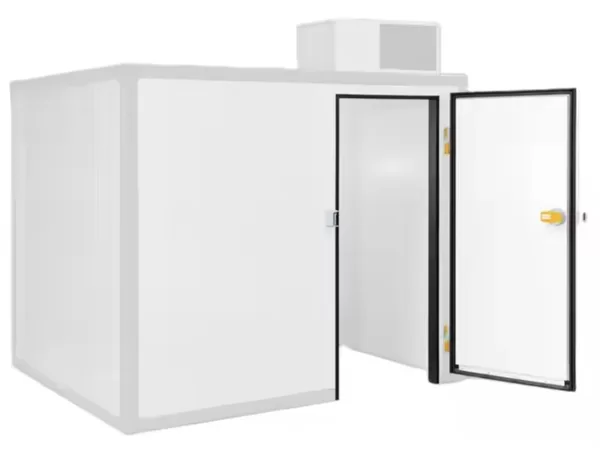
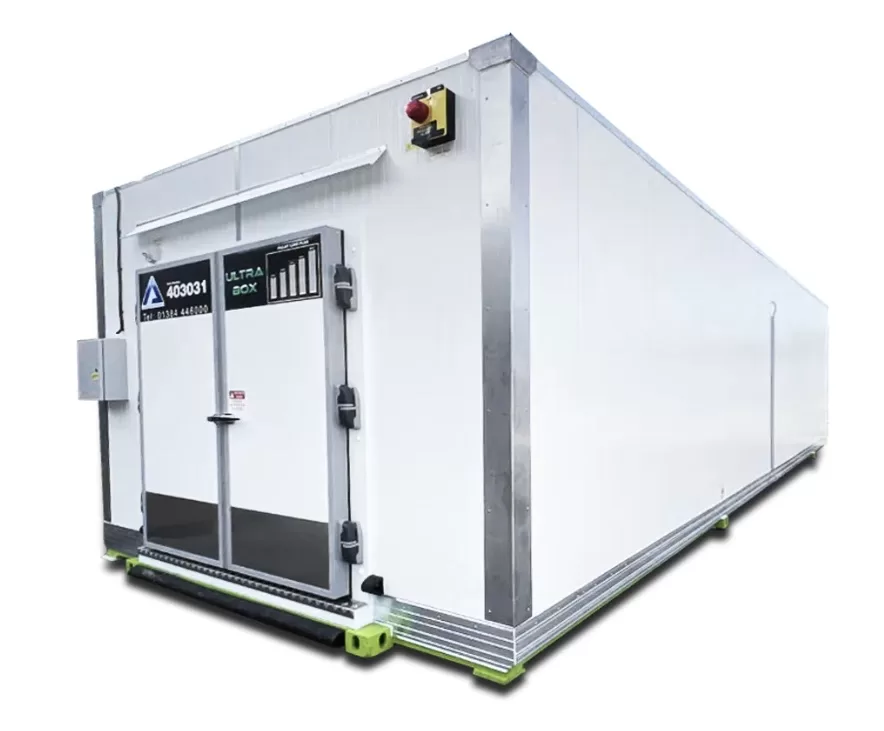
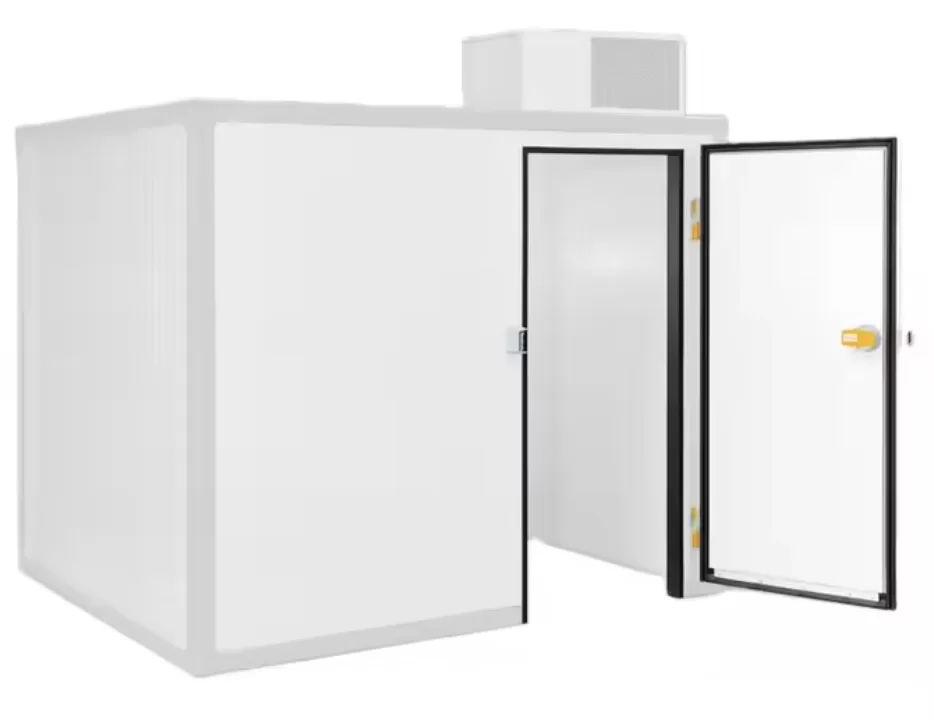
- Structure: Assemble insulated panels to create a sealed enclosure with walls, ceiling and floor.
- Refrigeration installation: Install refrigerant piping, evaporators and condensers, then check airflow and cooling distribution.
- Testing: Test the system to confirm that it reaches the required temperature and operates efficiently.
4. Automation and Monitoring
- Temperature and humidity sensors can monitor conditions in real time.
- Variable-speed compressors, LED lighting and efficient insulation can help reduce operating costs.
- Data logging and remote monitoring can support compliance and reduce the risk of spoilage.
5. Regulatory Compliance
Cold rooms must be designed and operated according to the requirements applicable to the stored goods and location, including temperature, humidity, sanitation, food safety and refrigerant or energy-efficiency considerations.
6. Maintenance and Service
- Inspect refrigerant levels, door seals, filters and refrigeration performance regularly.
- Repair or replace worn compressors, fans and refrigerant lines when necessary.
7. Cold Room Applications
- Food storage and processing
- Pharmaceuticals, vaccines and medical products
- Agricultural produce
- Biotechnology samples and research materials
Conclusion
Cold room manufacturing requires careful attention to design, materials, construction, testing and maintenance. Mana Cold Room provides customized solutions that balance efficiency, durability and reliable temperature control.